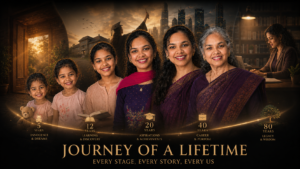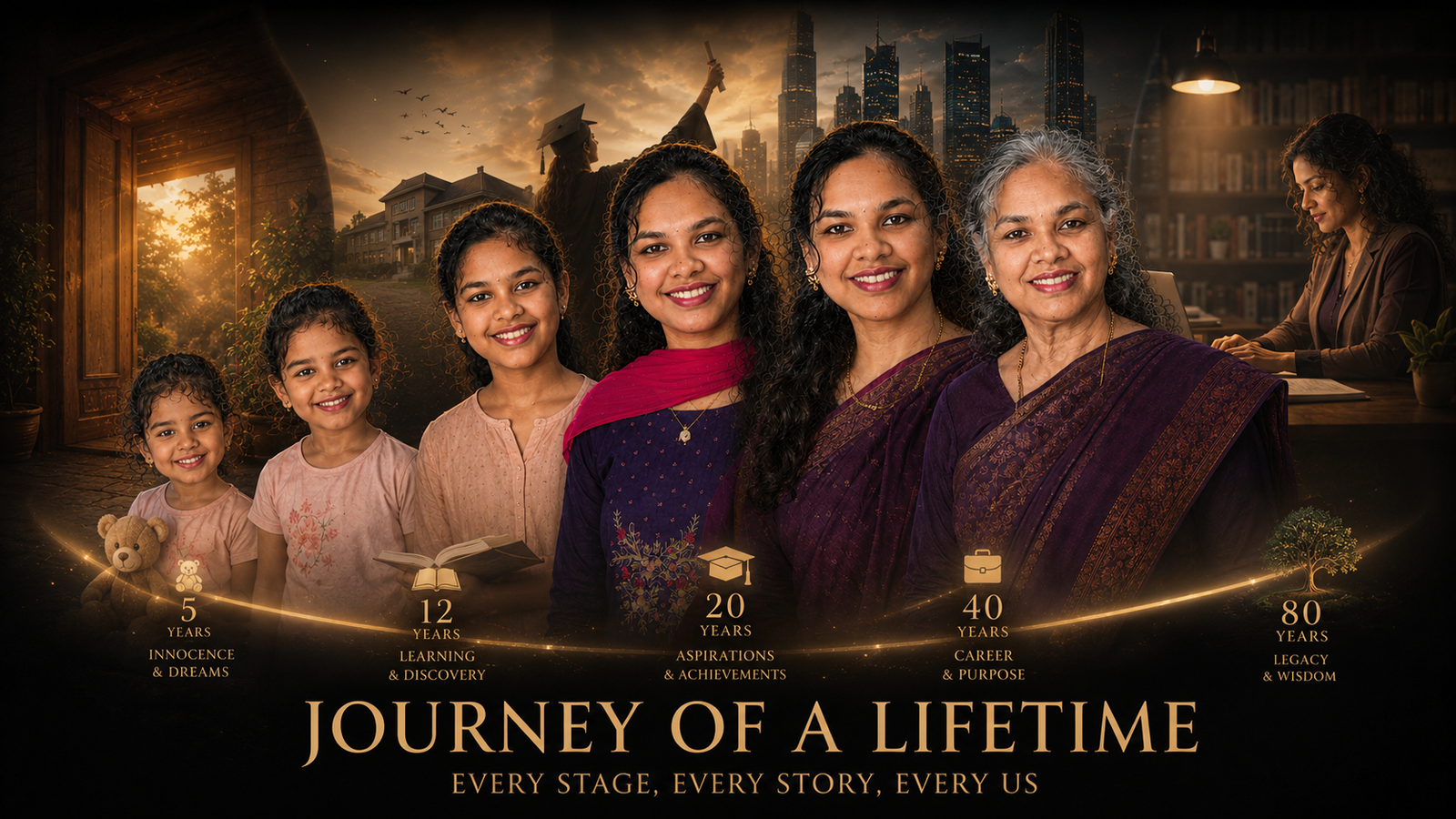
Hello friends, today we are going to try something useful with a trend you have probably seen on Instagram Reels and TikTok. Those cinematic edits where one cinematic life journey portraits face grows from child to teenager to adult to senior are everywhere, but it is not always clear how people actually create them. The good news is that modern tools such as Gemini AI can help you build these life journey portraits without needing a full film crew or studio.
Many people start with a basic prompt and end up with random faces that look unrelated, or they get creepy aging effects that feel more like a filter than a movie scene. This blog will walk you through how creators use Gemini AI and similar image models to maintain one consistent identity while changing age, style, lighting, and emotion in a believable way. You will see how to think like a visual storyteller, not just a prompt copier.
This guide is for anyone who wants to design cinematic life journey portraits, whether you are a content creator planning Reels, a photographer exploring AI concepts, or a casual user who wants a poetic visual of a character’s life. We will keep the language clear, focus on real workflows, and point out common mistakes that can waste your time or give you uncanny results.
Throughout the article we will connect the theory to real use cases, like short form video edits and digital memory projects. When a tool like Gemini AI is used carefully, it can help you design realistic growth from childhood to old age, with changing clothes, hairstyles, and emotions that still feel like they belong to the same person. We will also look at ethics, privacy, and why these images are storytelling art rather than a prediction of your real future.
Related Resource
The Prompt Link button above opens the related resource for How Gemini AI Creates Cinematic Life Journey Portraits From Childhood to Old Age. It is included so readers can reach the mentioned page directly.
What cinematic life journey portraits actually are
Cinematic life journey portraits show one character at several ages, usually childhood, teenage years, young adult, middle age, and senior. Instead of random snapshots, each frame looks like a still from a film, with careful lighting, composition, and emotional tone.
The focus keyword here is not just about aging, it is about narrative. You are designing a visual story of growth, loss, joy, or resilience. AI tools like Gemini can generate each frame, but you still need to decide what the story is, how the character changes, and which details stay constant.
How Gemini style AI keeps one face consistent across ages
Modern image models are trained to understand identity, age, and style as separate concepts. When you guide them correctly, they can keep facial structure similar while adjusting wrinkles, skin texture, hair density, and posture.
Key concepts that control consistency
- Core facial structure cheekbones, jawline, nose shape, eye spacing
- Stable attributes skin tone, basic eye color, general face proportions
- Variable attributes hair length and color, clothing style, expression, age markers
- Context background, camera angle, and lighting style
When prompts, reference notes, or style settings keep the core structure stable and only allow planned changes, the model is much more likely to give you the same person over time.
Practical workflow for creating a life journey sequence
You can adapt this workflow whether you work directly in Gemini’s image tools or in other AI image platforms with similar controls.
Step 1: Define the character bible
- Write a short description of the person, for example: round face, soft jawline, warm brown eyes, medium brown skin, gentle smile.
- Decide on cultural background, general fashion taste, and personality.
- Note anything that should stay across all ages, such as a small birthmark or typical expression style.
Step 2: Plan your age milestones
- Child (6 to 8 years)
- Teen (15 to 17 years)
- Young adult (25 to 30 years)
- Middle age (45 to 55 years)
- Senior (70 to 80 years)
For each stage, sketch emotional themes like curiosity, rebellion, confidence, responsibility, reflection. This prevents the sequence from feeling like a simple age slider.
Step 3: Lock a cinematic style
To make the set look like one film, keep a shared visual style.
- Camera feel DSLR look, shallow depth of field, 35 mm or 50 mm focal length
- Color tone warm golden, cool teal, or neutral soft contrast
- Lighting soft window light, dramatic side light, or backlit glow
- Aspect ratio common choices are vertical 9:16 for Reels and Shorts or classic 16:9
Step 4: Generate stage by stage
Start with a mid age version, then branch to younger and older. Many users try starting from a child and get distorted seniors later. Middle age often gives the most stable face structure, which you can guide toward younger or older looks.
After each generation, carefully check eyes, jawline, and overall vibe. If something drifts, correct it early instead of waiting until the senior stage.
Choosing visual styles for stronger storytelling
Different visual moods can completely change the story even with the same face. Here is a simple comparison of common approaches.
| Style | Look and feel | Best use case | Potential drawback |
|---|---|---|---|
| DSLR realism | Sharp details, natural colors, shallow depth of field | Family style memories, relatable social posts | Every flaw becomes visible, can look harsh on older stages |
| Cinematic film | Soft contrast, movie like lighting, color grading | Emotional Reels, short film concepts, storytelling edits | Requires more attention to lighting direction and shadows |
| Dreamy portrait | Glow, pastel colors, gentle blur | Romantic or nostalgic life journeys, fantasy projects | Can reduce perceived realism, aging may look too smooth |
| Moody low light | Dark tones, strong highlights, dramatic shadows | Serious narratives, character struggles, dramatic arcs | Details in darker skin tones can be lost if not handled carefully |
Real use cases and example scenarios
Example 1: Social media life journey reel
A creator designs a vertical sequence of five portraits for a fictional musician. Child stage shows a kid holding a toy keyboard in warm bedroom light. Teen stage moves to garage band energy with harsher light and louder clothing. Adult stage shows a confident performer under stage lights. Senior stage ends with the same character in a quiet living room, framed by records and photos.
By animating slow zooms between frames and syncing to music, the reel feels like a short film, even though each image started from AI prompts and consistent face guidance.
Example 2: Case study style family story
Imagine a user who wants to honor a grandparent but has very few old photos. Instead of pretending to predict their future, they build an artistic reconstruction of a life journey. They describe known traits such as gentle smile and tidy hairstyle and pair them with family stories: young worker in a factory, parent with small children, proud retiree in a garden.
The result is a series of portraits that is clearly labeled as artistic visualization. The family uses it in a memorial slideshow and on a private website. The images respect privacy by not copying a real photo exactly but still feel emotionally connected to the person.
How to improve realism and emotional impact
- Use small physical changes subtle weight gain, posture changes, and hair thinning look more natural than extreme age jumps.
- Respect cultural cues clothing, hair, and background should match the character’s context instead of mixing random fashion trends.
- Match emotion to age a teenager might show defiance or hope, while a senior might show calm, pride, or quiet sadness.
- Control skin texture light wrinkles, sun spots, and smile lines often look better than overdone age filters.
- Keep eyes alive slightly glossy eyes and believable catchlights make aging faces feel human, not plastic.
A frequent mistake is using extreme sharpening or fake HDR style. This can turn older faces into wax or metal and instantly breaks immersion.
Ethics and responsible AI usage
These portraits feel personal, which means you need clear boundaries.
- Avoid using another person’s real face without consent, especially minors or public figures.
- Do not present AI aging as medical or legal prediction, it is artistic speculation only.
- State clearly in descriptions that images are AI generated visuals.
- Be careful with sensitive topics like illness, trauma, or death, and avoid sensational thumbnails that could mislead viewers.
Platform rules on AI content continue to evolve. Check the latest guidelines from Instagram, TikTok, and YouTube before posting, and avoid tools from unsafe download sources or unknown browser extensions that promise magical one click age transformations.
Conclusion
If you treat Gemini style AI as your camera and lighting crew, not as a magic button, you can build cinematic life journey portraits that feel thoughtful and human. Start with a clear character description, plan distinct age stages, and lock a consistent visual style before you generate anything.
Focus on emotional continuity and subtle aging details rather than wild transformations. Test a small sequence first, refine what works, and only then build full Reels or Shorts. Used carefully, these tools can support powerful storytelling projects, respectful digital memories, and creative experiments, while still keeping ethics and realism under your control.
FAQ
Are AI life journey portraits accurate predictions of my future face
No, they are not predictions. They are artistic guesses based on training data and your description or reference. Treat them as visual stories, not scientific forecasts.
Can I use photos of real people as a base for these portraits
Only if you have clear consent and if it follows the policy of the AI tool and the social platform. For public posting, fictional characters or anonymized faces are usually safer.
Why do my portraits look like different people at each age
You are likely changing too many variables at once. Keep camera angle, general lighting, and key face structure notes consistent, and change only age and styling step by step.
Which format works best for Instagram Reels and TikTok
Vertical 9:16 is the safest choice. Export each portrait in the same aspect ratio, then edit smooth crossfades or zoom transitions in a basic mobile editor.
Is it safe to upload old family photos to AI tools
Check the privacy policy, data retention rules, and region of the service provider. If you are worried, blur backgrounds, crop images, or work with fictional reconstructions instead of direct uploads.
Thank you for reading. If you found this helpful, consider following this blog for more latest tech news, useful apps, AI tools, and practical updates on creative workflows.