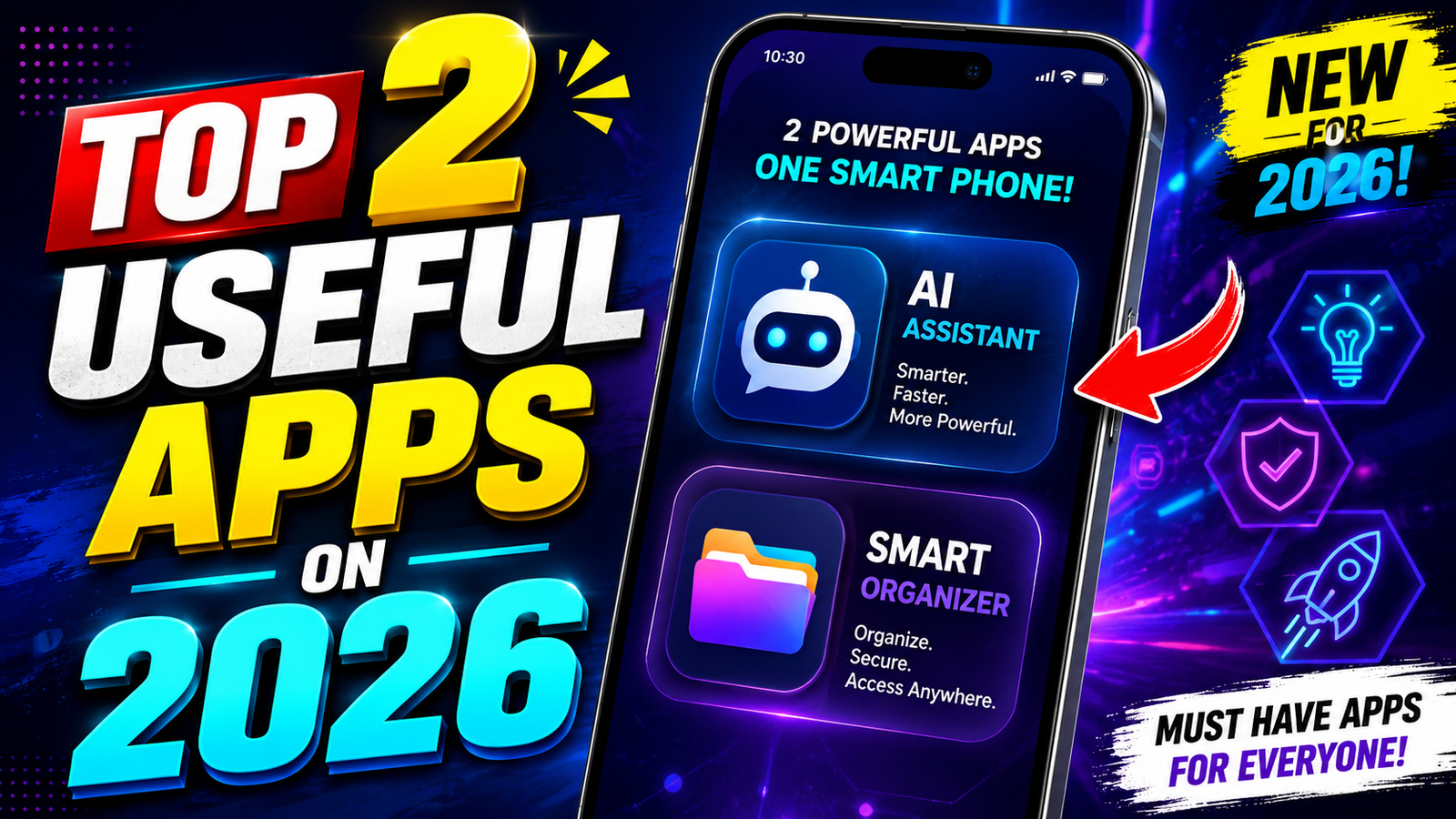
Most top app lists feel the same: lots of noise, not much you actually use after a week. This guide focuses on two utility apps that can quietly improve how you use your phone every single day in 2026 on both Android and iOS where available.
The first one is a screen filter and privacy guard (with the official Android listing provided below). The second is a practical everyday helper type app you can swap depending on what matters more to your readers (productivity, notes, or focus). The angle here is simple: less flashy, more useful.
Why These Two Types of Apps Actually Matter
When people search for the top useful apps for a given year, they usually don’t need another social network. They need:
- Less eye strain and better screen comfort (especially at night).
- Less distraction and more focus for work or study.
- Simple tools that work quietly in the background without constant fuss.
That’s why this list is intentionally short. One app helps you control how your screen behaves and how private it feels. The other helps your mind stay clear and organized.
App #1: Screen Filter & Privacy Guard (Android)
The first recommendation is a category of apps many users ignore until they start feeling real eye strain: screen filter and privacy apps. The specific reference provided is an Android app on Google Play:
Official listing: a screen filter / privacy / tilt guard app available on Google Play, with the package name com.privacy.display.screen.filter.tilt.guard.
Apps like this typically offer some or all of the following:
- Extra dimming beyond what your system brightness slider allows.
- Warm color filters at night to reduce blue light impact.
- Privacy overlays that make it harder for people next to you to read your screen.
- Tilt or motion based controls (for example, adjusting brightness when you tilt the phone).
On long work or gaming days, these features can make the difference between my eyes hurt and I’m still fine after hours on the phone.
How to Install It Safely on Android
- Open the Google Play Store on your Android phone.
- In the search bar, type part of the package or app name, or use the direct URL provided below.
- Check that the publisher name matches what you expect and that the app icon and screenshots look consistent and professional.
- Review the recent user reviews for comments on bugs, ads, or permissions.
- Tap the install button from within Google Play only avoid any third‑party APK sites.
Because screen filter apps must overlay your display, they usually ask for Display over other apps permission. Grant this only if you’re sure you’re using the official listing.
Official App Listing
The open on google play button opens the Google Play listing related to Mobile top 2 Useful Apps On 2026. Check the developer name, permissions, reviews, and update date before installing.
DOWNLOAD NOW 2ND APP :-
CLICK HERE
You can use the block above to link to the official Play Store page:
First‑Time Setup: Get the Basics Right
Once the app is installed, take a few minutes to set it up properly instead of just toggling it on. A careful setup avoids many common annoyances.
- Grant overlay permission
When opened the first time, the app will likely ask for permission to draw over other apps or similar wording. This is required for any screen filter. Turn it on in the system settings screen that appears. - Choose your filter level
Start around 10 20% filter strength. Too strong a filter can make the screen look muddy and make colors inaccurate. - Set day and night modes
Many of these apps let you define schedules for example:- No filter from 08:00 18:00
- Light warm filter in the evening
- Stronger dimming late at night
- Adjust based on your routine and how sensitive your eyes are.
- Configure tilt or gesture controls (if available)
If the app supports tilt‑based changes, test it in a safe environment first. Some people love it; others find it too sensitive and prefer to disable motion controls. - Exclude certain apps if needed
Video players, camera apps, or games may look strange under a filter. Most screen filter apps allow you to whitelist or exclude apps. Use this if you notice color issues.
Common Problems and How to Fix Them
Screen filter apps can occasionally conflict with other features:
- Buttons stop working during install dialogs: Android may block you from tapping Install or OK when an overlay is active. Temporarily pause the filter, complete the action, then re‑enable it.
- Screen looks too orange or too dim: Lower the filter intensity or adjust color temperature toward neutral; don’t push it to the maximum on day one.
- Battery drain feels higher: Overlay apps usually have a small battery impact, but constant tilt sensing or fancy animations might use more power. Disable features you don’t use and keep filters simple.
If you also use your phone for video editing, color‑sensitive work, or mobile gaming, remember to turn the filter off during those sessions so you see accurate colors.
Privacy and Security Notes
Because these apps sit on top of everything else, they are powerful. A few sensible checks before you keep them long‑term:
- Review requested permissions; avoid apps that ask for unrelated access (contacts, SMS, microphone) if their core function is just a screen filter.
- Check if the developer has a basic privacy policy linked on Google Play.
- Update regularly, but be cautious if a new update suddenly adds advertising SDKs or lots of new permissions.
If anything feels off, uninstall and look for another screen filter from a well‑known developer. The concept is useful, but the specific app should earn your trust.
App #2: A Simple Focus & Task Helper (Android & iOS)
The second category that tends to stick long‑term is a basic focus or task helper app. This can be:
- A minimal to‑do list app.
- A Pomodoro/focus timer with stats.
- A habit tracker that doesn’t overwhelm you with features.
The specific app you recommend here can vary. What matters is choosing one that:
- Works on both Android and iOS, so you can switch phones later without re‑learning everything.
- Syncs across devices without complex setup.
- Loads quickly, even on older devices.
- Doesn’t bury you in ads or locked premium features right away.
How to Make a Focus App Actually Useful
The mistake many users make is installing three different productivity apps and then abandoning all of them. Pick one and commit to a tiny routine instead.
- Start with only 3 5 tasks per day
Do not use your new app as a dumping ground for everything you might do in life. Use it only for today tasks at first. - Pair it with your screen filter schedule
For example, enable your focus app’s work session notifications at the same time your screen filter goes warm in the evening. That pairing signals your brain that it’s time to focus or wind down. - Use categories sparingly
Two or three lists (Work, Personal, Study) are usually enough to start. Too many lists = you stop opening the app. - Sync once and test on both platforms
If the app claims Android + iOS support, install it on both if you can and make sure tasks or focus sessions sync before you depend on it daily.
What to Watch Out for (Productivity Apps)
Even good productivity apps can get in your way if you’re not careful:
- Overcomplicated onboarding: If you feel lost after 5 minutes, that app probably isn’t worth bending your whole life around.
- Pushy subscriptions: Some apps hide basic features behind paywalls. Make sure the free version does enough for you before subscribing.
- Notification overload: Disable non‑essential reminders. A few strong reminders beat dozens of ignored pings.
If your site already covers productivity apps in detail, this section can link to those guides (for example, See our detailed comparison of Android to‑do apps or Check our focus timer setup guide).
How These Two Apps Work Together Day‑to‑Day
The real value appears when you combine these two categories:
- Morning: Screen filter mostly off, focus app used to line up 3 5 key tasks.
- Daytime: Standard brightness, occasional focus sessions when you need to get something done without constant scrolling.
- Evening: Screen filter warms the display; you use your task app to close out the day and set a small plan for tomorrow.
- Late night: Stronger dimming stops the screen from blinding you if you check messages in bed, making it easier to fall asleep again.
This is the kind of subtle improvement that doesn’t look dramatic in screenshots but changes how your phone feels: less harsh, more intentional.
FAQ: Useful Mobile Apps for 2026
Are screen filter apps safe for my phone?
From a hardware standpoint, they’re generally safe. They don’t burn your screen or damage hardware. The main risk is privacy: because they overlay everything, only install them from official app stores and avoid apps that request unrelated permissions.
Do I still need my phone’s built‑in dark mode?
Yes, it can help. System dark mode and a screen filter work differently. Dark mode adjusts app backgrounds; the filter changes how the light looks overall. Using both together often gives the most comfortable result at night.
Can these apps improve battery life?
Lower brightness usually saves battery, especially on OLED screens, so a dimming filter can help indirectly. However, the app itself runs in the background, which uses a small amount of power. Net effect is usually neutral or slightly positive.
What if a screen filter interferes with screenshots or screen recording?
Many overlays will appear in screenshots and recordings. If you need a clean capture, pause the filter before taking it. Some apps offer an option to auto‑disable during screenshots check settings.
How many utility apps should I keep installed?
Start with just a handful that you actually use daily: one for screen comfort, one for tasks/focus, maybe one for cloud storage or password management. If an app hasn’t been opened in a month, uninstall it and free up space.
In 2026, you don’t need dozens of top apps. A small, carefully chosen set like a trustworthy screen filter and a simple