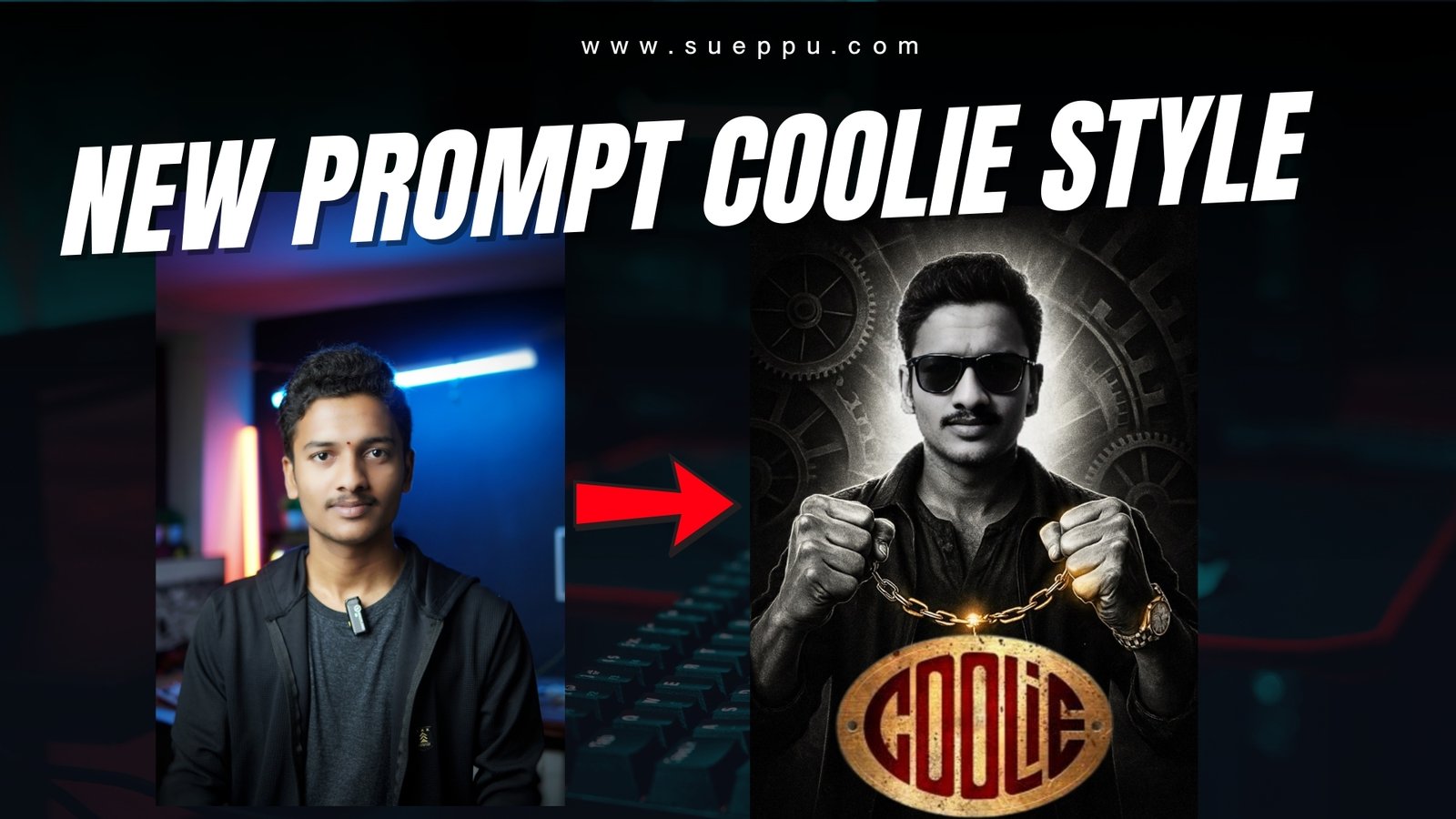
AI face swap technology has evolved to a point where the results look incredibly realistic. With just a single clear photo, these tools can replace a face in a video or image while maintaining skin tone, lighting, and perspective. This opens up endless creative possibilities for fun reels, short films, or memes.
Expression editing takes it even further — you can make someone smile, frown, wink, or look surprised without recording a new clip. AI analyzes facial muscles and generates subtle, natural-looking changes that blend perfectly into the video.
Content creators are using this to create reaction-based reels, parody videos, or cinematic storytelling without needing multiple takes. For example, you could turn a serious portrait into a laughing one, or make a calm face show excitement right when the music drops.
One of the most powerful uses is in dubbing — matching lip movements to new audio tracks. This is perfect for translating content into different languages or syncing music lyrics to facial performance without shooting again.
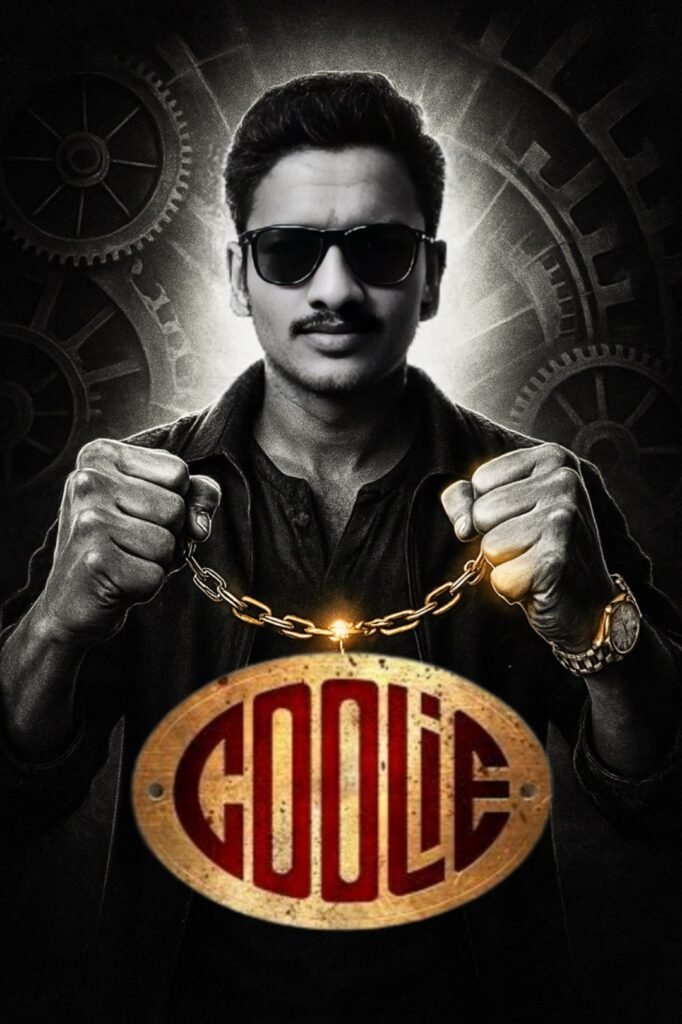
PROMPT :-
“A cinematic, high-contrast black and white poster of a powerful man standing confidently, wearing sunglasses and an open jacket, with both fists raised. A broken gold watch chain is stretched across his fists, symbolizing strength and rebellion. Futuristic mechanical gears form the dramatic background, with a glowing light source from behind. Replace the man’s face with the provided photo, keeping the same intense expression and cinematic lighting.”The technology is becoming mobile-friendly, with apps that offer drag-and-drop simplicity. Even beginners can achieve movie-level edits without complicated software. Safety features like watermarking and ethical use reminders are also being built in to prevent misuse.
AI-based face editing is not just for entertainment — it’s also helping in advertising, e-learning, and virtual events where customizing expressions improves audience engagement. When combined with background replacement and cinematic filters, the results feel like a high-budget production.
These tools also allow merging multiple faces into a single composite image, creating surreal or artistic results that look like a hybrid of two people. This has become popular for fun challenges on social media where users mix celebrity features with their own to see “what they would look like” in a different style.
Another fascinating use is historical re-creations. AI can take old black-and-white photos and animate them, bringing ancestors or historical figures to life with realistic blinking, smiling, and head movements. This emotional connection makes such content extremely shareable.
Creators have found that combining face swap with cinematic slow-motion effects can dramatically increase engagement. When the scene changes to reveal a perfectly swapped face during a music drop, it becomes instantly viral-worthy.
Expression control also allows for storytelling without dialogue. You could create a short reel where the character’s emotions shift from sad to determined to happy, all without any speech, letting the music and visuals carry the story.
Face swap isn’t limited to people — some apps now allow swapping human faces onto pets or animated characters, creating hilarious and highly shareable clips. A dog delivering a “serious speech” with a human expression never fails to grab attention.
Advanced AI also offers lighting correction, ensuring that swapped faces look natural in any environment, from bright outdoor scenes to moody indoor shots. This helps avoid the mismatched look common in older editing tools.
Social media influencers are using this tech to create consistent branding. They can insert their own face into stock footage or trending memes instantly, giving them fresh, on-brand content every day without expensive shoots.
Gamers and streamers are experimenting with real-time face swap, allowing them to appear as different characters during live broadcasts. This keeps the audience entertained and makes each stream unique.
Marketers have realized the potential for personalized ads, where an AI-generated version of the viewer could appear in the commercial. This creates a sense of connection and curiosity that boosts click-through rates.
In the near future, AI face swap tools may integrate with AR glasses and VR environments, letting people change faces and expressions instantly during virtual meetings or events, adding a layer of creativity to communication.